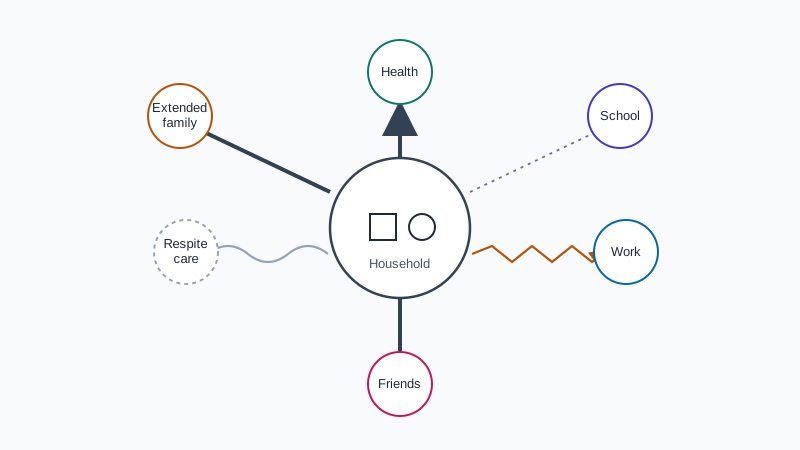
What Is an Ecomap? Origins, Symbols, and How to Draw One
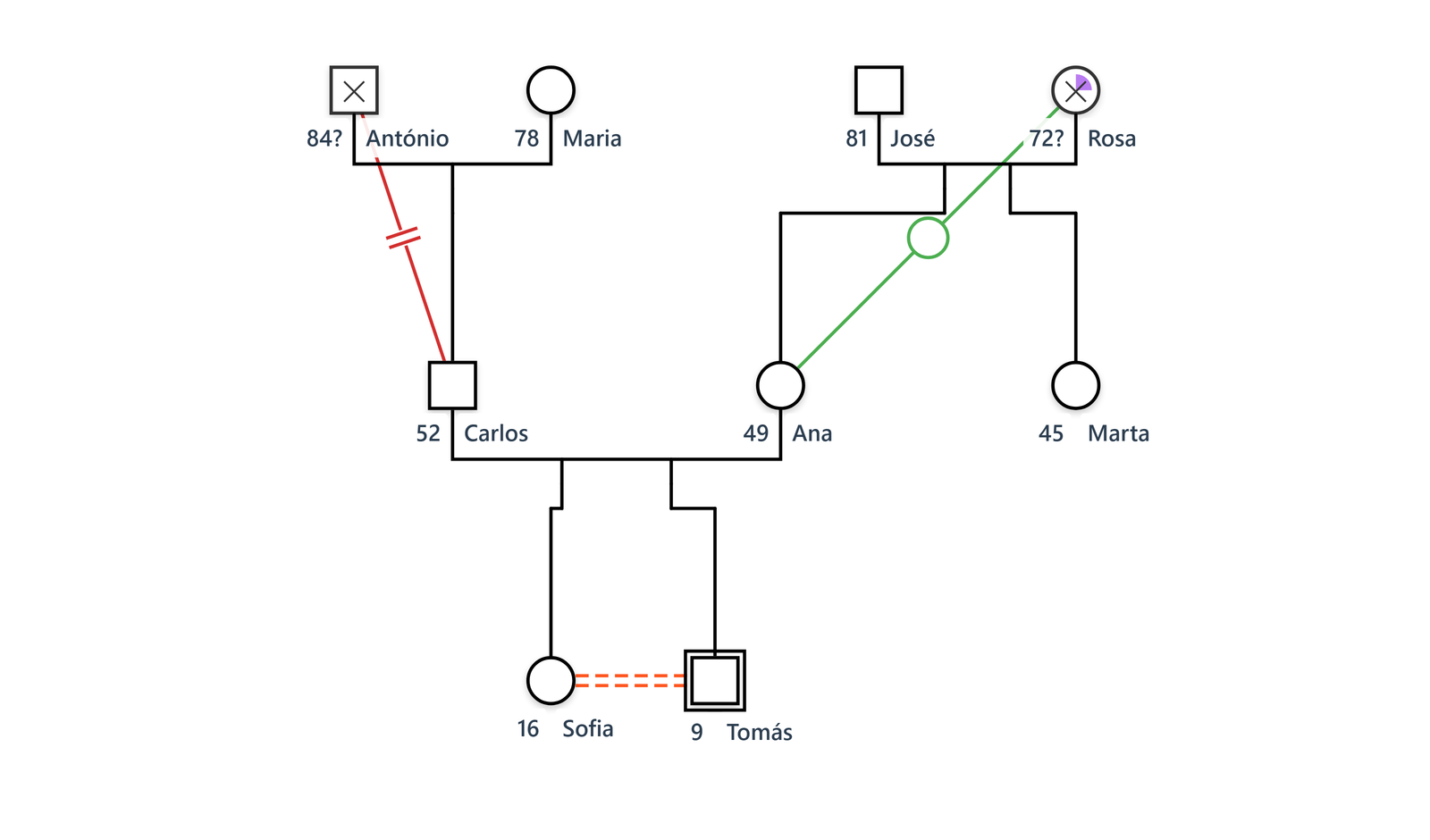
Where the ecomap came from, what its lines actually mean in Hartman's own words, the systems theory underneath it, and how to draw one in WebGeno using groups and relationship lines.
Read MoreWhere the ecomap came from, what its lines actually mean in Hartman's own words, the systems theory underneath it, and how to draw one in WebGeno using groups and relationship lines.
Read More
Product Update
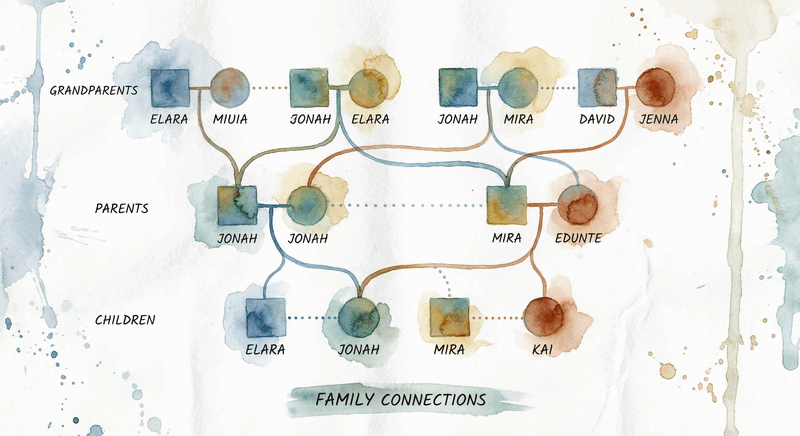
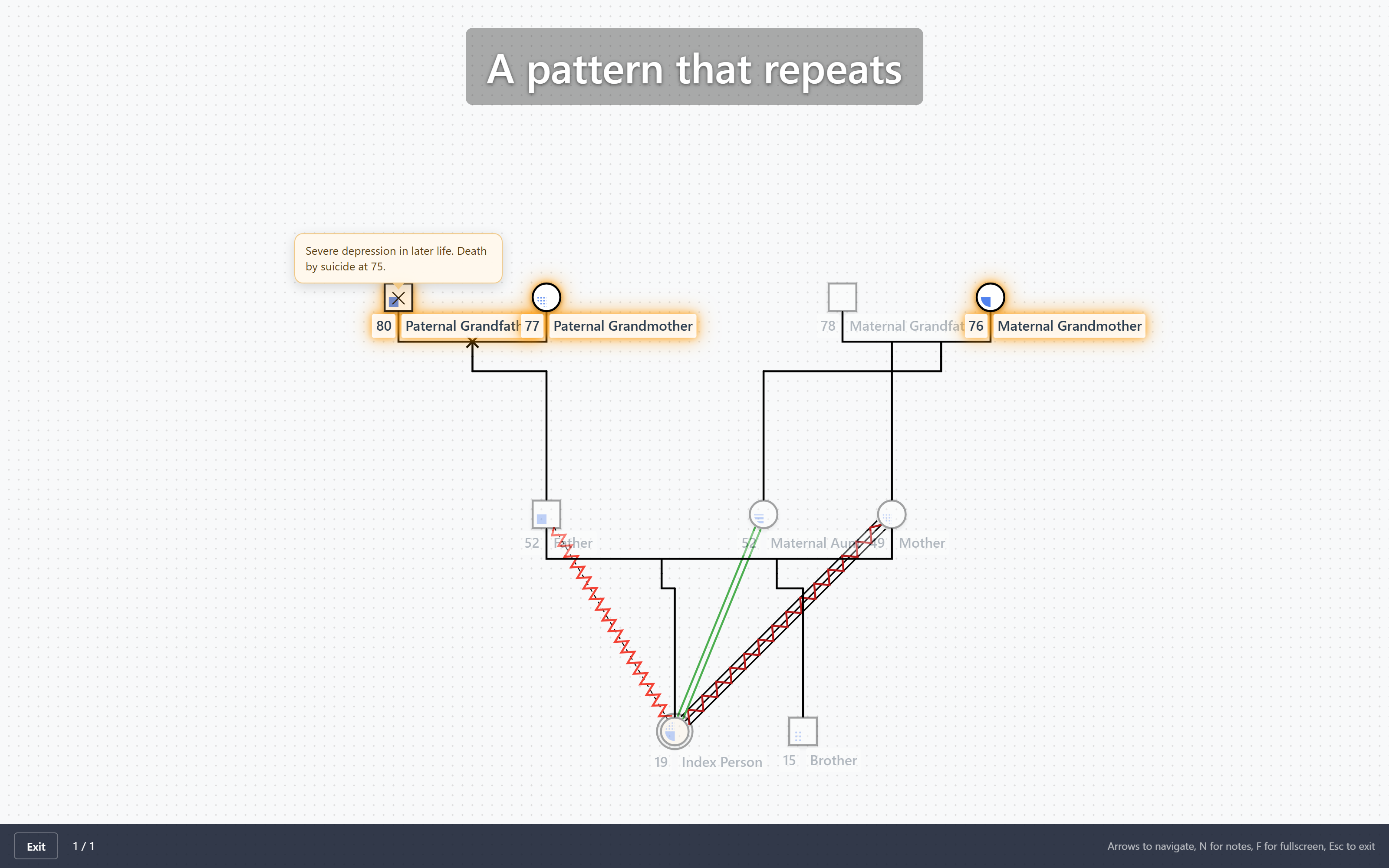
Turn a dense family map into a guided, full-screen walkthrough for supervision, teaching and client sessions. Spotlight the people that matter, reveal your notes on cue, and let AI draft the first pass.
Read More
Clinical Practice
How EMDR therapists use the genogram in Phase 1 to take the trauma history, identify targets and build the treatment plan.
Read MoreThe modern symbols for non-binary and transgender family members, per McGoldrick's 4th edition, and how to use them in clinical practice.
Read More
Clinical Practice
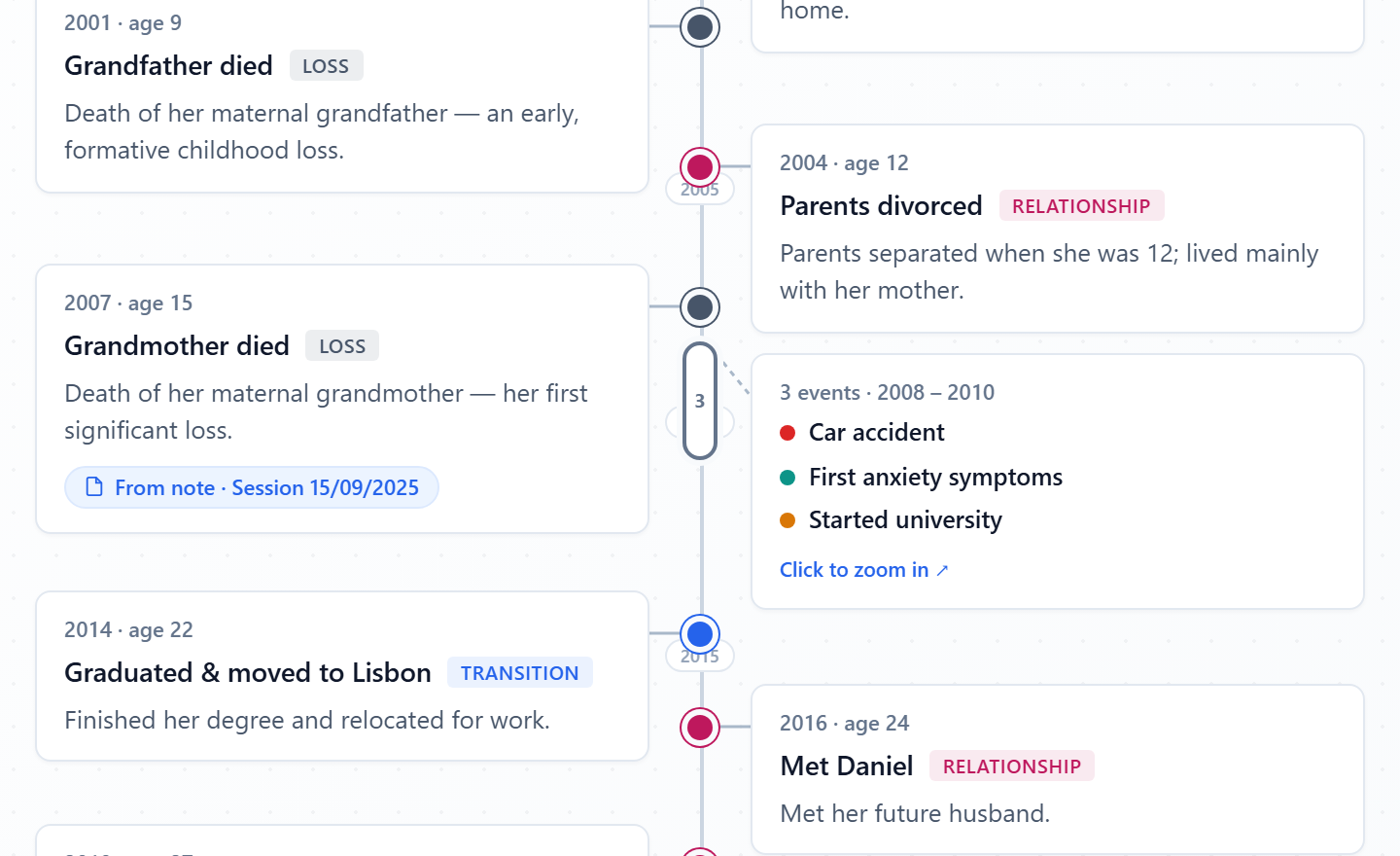
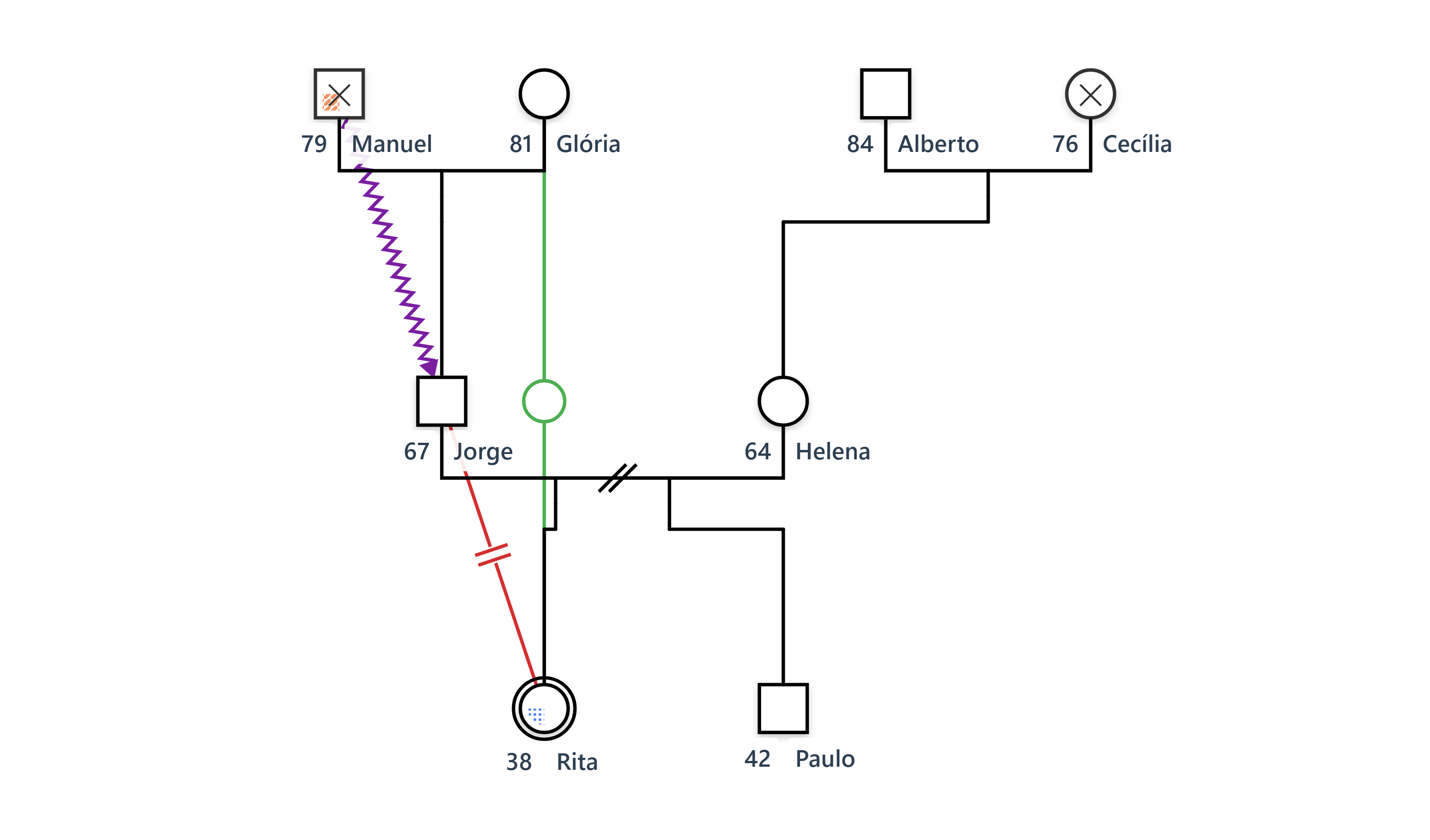
Turn the notes you already write into a chronological view of a client's life — surfacing anniversary reactions, event clusters, and symptom onset after loss.
Read More
Tutorial
Master genogram creation with this comprehensive 8-step tutorial. Perfect for therapists, social workers, and psychology students using WebGeno or traditional methods.
Read More
History & Theory
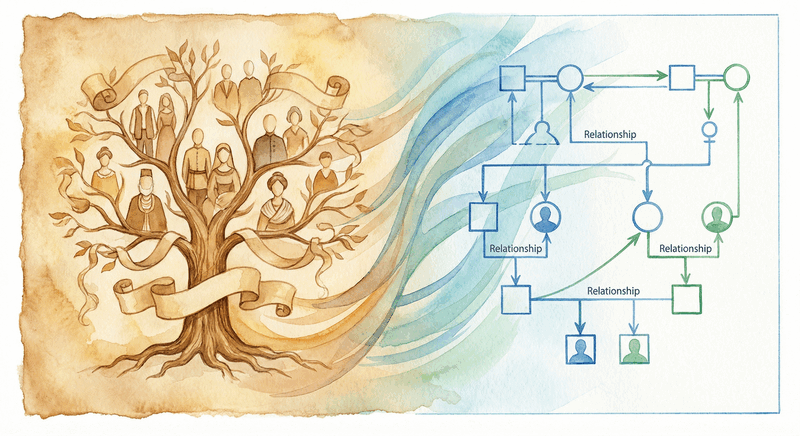
Discover how genograms evolved from Murray Bowen's 1950s family diagrams to become essential tools in family therapy.
Read More
Specialized Approaches
Learn how the TTRG helps clinicians assess trauma patterns and identify family strengths across generations.
Read More
Culture & Assessment
Explore how cultural background influences family therapy and genogram assessment. Learn to integrate ethnicity and cultural context into clinical practice.
Read More
Professional Development
Learn how the "Genogram with an Attitude" helps therapists explore their own biases and assumptions for multicultural competence.
Read More
Practical Guide
Master the standard genogram symbols used by family therapists, social workers, and nurses. Learn structural, relationship, and health condition symbols.
Read MoreMore articles coming soon! Try WebGeno free while you wait.